

Why Women’s Sports Are Becoming a Major Opportunity for Brands
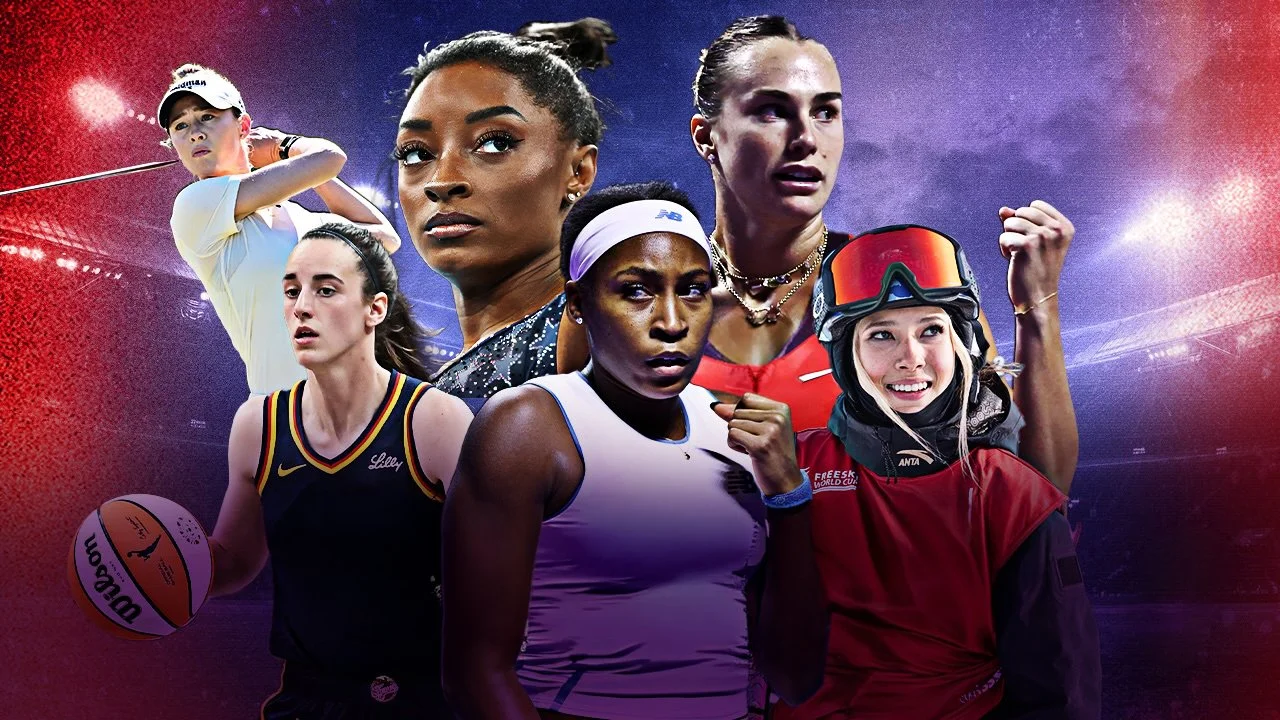
Photo by Getty Images; illustration by Lorenzo Gordon
For many years, women’s sports received significantly less attention, media coverage, and sponsorship investment compared with men’s sports. However, this landscape has begun to shift. Growing audiences, increased broadcast coverage, and changing societal expectations around gender equality are turning women’s sports into one of the fastest-growing opportunities in sports marketing.
Unlocking the Multi-Billion Dollar Potential of Women’s Sports
One of the main drivers behind this change is the rapid growth of the sector. According to Deloitte, global revenues generated by elite women’s sports are projected to exceed $2.3 billion, fueled by rising sponsorship deals, media rights, and ticket sales. Major international events have also contributed to this momentum. For instance, the 2023 FIFA Women's World Cup attracted record global audiences, demonstrating the increasing commercial potential of women’s competitions.
Beyond audience size, women’s sports offer brands another important advantage: highly engaged fans. Research from Nielsen shows that fans of women’s sports tend to respond positively to companies that invest in and support these competitions. Sponsorships are often perceived not only as commercial partnerships but also as contributions to gender equality and inclusion, which can strengthen brand perception and credibility.
As a result, many global brands have increased their involvement. While sportswear companies like Nike and financial institutions like Barclays or Visa have long been active, we are now seeing an influx of lifestyle and beauty brands. A prime example is the F1 Academy, the all-female racing series, which has attracted partnerships from Sephora and Wella Professionals. By introducing "Glam Bars" at Grand Prix events, these brands are moving beyond simple logo placement to create immersive experiences for a female fan base. This approach allows them to build a direct and authentic connection with an audience that has long been overlooked in motorsports.
For marketers, women’s sports represent a strategic opportunity. Compared with men’s sports, sponsorship spaces remain relatively less saturated, making it easier for brands to gain visibility and build strong associations with athletes and teams. At the same time, the sector continues to grow rapidly through digital media, social platforms, and global events.
As women’s sports gain visibility and commercial power, brands that invest early may benefit from stronger engagement, authentic storytelling opportunities, and a competitive advantage in a rapidly evolving sports marketing landscape.
Written by Albiona Neziri
Sources :
Deloitte - Women's elite sports revenues to surpass US$2.35 billion in 2025
fifa.com - Global Engagement & Audience Report (Executive summary)
fifa.com - Visa announced as global sponsor of the inaugural FIFA Women’s Champions Cup 2026
The SPORTFIVE Magazine - The History of Sponsorship in the Women's Super League
Nielsen - Women’s sports viewership on the rise
wella.com - WELLA EST PARTENAIRE OFFICIEL DE LA F1 ACADEMY